
Blog
Biodegradable Freezer Bags – Which Ones Hold Up in the Freezer?
May
Introduction
Biodegradable freezer bags sound like a great alternative to plastic—but do they actually work in freezing conditions?
That’s where most eco-friendly bags struggle. Some become brittle, others tear easily, and a few simply don’t hold up over time.
In this guide, we look at biodegradable freezer bags that can handle real use, so you can store food without dealing with leaks or wasted products.
What Makes a Good Freezer Bag?
Not all biodegradable bags are designed for cold storage.
When choosing one for freezer use, you need to focus on:
- Strength in low temperatures
- Leak resistance
- Seal quality
- Material thickness
Freezer conditions are harsher than regular storage, so durability matters more than anything else.
Top Biodegradable Freezer Bags
| Best for | Product | Key features | Price |
|---|---|---|---|
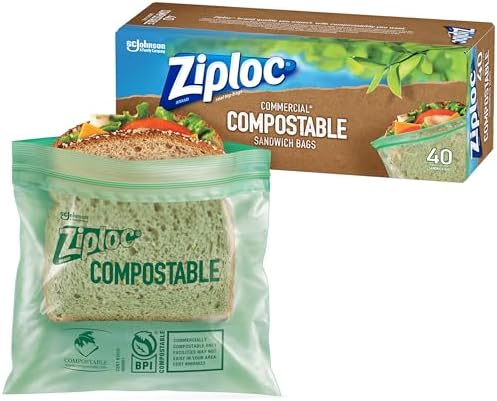
| Home composting | Compostic Home Compostable Resealable Bags | Microwave & freezer safe, home compostable, 60 ct | Check price → |
| Compostable zip | ANECO 100% Compostable Zip Bags | Extra-thick, resealable, quart / freezer snack, 25 ct | Check price → |
| Reuse (holds up best) | Reusable Gallon Freezer Bags (10-pack) | Leak-proof, BPA-free, washable for repeat freezing | Check price → |
Prices and availability are shown live on Amazon. As an Amazon Associate, EcoSeal Bags earns from qualifying purchases.


Look for options that clearly state freezer compatibility and have consistent reviews for durability.
Real-World Performance
Biodegradable freezer bags can work—but only under the right conditions.
They perform best when used for:
- Short to medium-term storage
- Lightweight or soft food items
- Properly sealed portions
They tend to struggle with:
- Long-term freezing
- Heavy or sharp items
- Overfilled storage
This is where many users run into issues.
Common Problems to Watch For
Before choosing a biodegradable freezer bag, be aware of these limitations:
- Bags can become brittle in very cold temperatures
- Some materials weaken faster than expected
- Not all “biodegradable” bags are freezer-safe
Understanding these limits helps you avoid frustration.
Compostable vs Biodegradable for Freezer Use
There’s often confusion between compostable and biodegradable bags.
- Compostable bags break down into natural materials but usually require specific conditions
- Biodegradable bags break down over time but may not fully decompose
For freezer use, neither is perfect—but thicker, well-made options perform better regardless of type.
Alternatives That Work Better
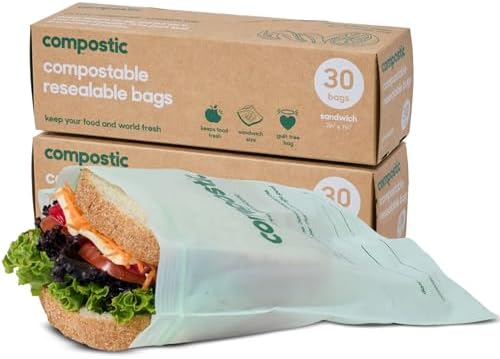
- COMPOSTABLE SANDWICH BAGS — Made entirely from plant-based biopolymers with zero conventional plastic. Designed for scho…
- 100% HOME COMPOSTABLE — When you are done, toss these biodegradable sandwich bags in your home compost bin. They break d…
- RESEALABLE ZIP-SEAL CLOSURE — A secure press-seal lock keeps sandwiches, wraps, and snacks fresh while preventing leaks …
If freezer durability is your priority, consider:
- Reusable silicone bags
- Thicker compostable storage bags
- Hybrid eco-friendly options
These tend to last longer and handle freezing conditions more reliably.
Final Verdict
So, do biodegradable freezer bags actually hold up?
The answer is: some do—but not all.
If you choose a well-made, thicker option and use it correctly, they can work for everyday freezer storage.
However, if you need long-term durability or heavy-duty use, reusable alternatives are often the better choice.
Best eco-friendly freezer bag buying checklist
- Seal quality: freezer bags need a stronger seal than normal lunch bags.
- Food type: dry foods and produce are easier than soups, sauces, or liquid-heavy leftovers.
- Material claims: compostable, biodegradable, plant-based, and reusable mean different things.
- Use case: choose compostable for lower-plastic convenience, silicone for repeated washing, and heavy-duty plastic only when performance matters most.
For brand-specific options, compare our Cleanomic gallon bags review and Compostic sandwich bags product notes.
Eco-friendly freezer bags: your questions answered
Are there eco-friendly freezer bags that actually work?
Yes — but the ones that hold up in the freezer fall into two camps. Reusable BPA-free bags (silicone or PEVA) are the most durable for repeated freezing and seal well against liquids. Certified compostable zip bags handle lighter freezer duty, like snacks and short-term storage. What does not belong in the freezer is anything paper-based or a vague “biodegradable” bag with no freezer rating, since moisture and cold make those fail fast.
What is the difference between compostable and biodegradable freezer bags?
Compostable means the bag is certified to break down into compost under defined conditions within a set time — usually in an industrial facility. Biodegradable is a looser, largely unregulated term with no guaranteed timeframe or end result. For freezer use, prioritize a certified compostable bag or a durable reusable one, and treat unqualified “biodegradable” claims with caution.
Are there plant-based freezer bags?
Yes. Several eco bags are made from plant-based materials such as PLA and PBAT instead of petroleum plastic. They can work in the freezer, but performance varies, so check that the specific product is rated for freezer temperatures and carries a compostability certification before relying on it for anything beyond short-term storage.
Can you freeze food in reusable silicone bags?
Yes. Reusable BPA-free silicone and PEVA bags are freezer-safe, seal tightly against leaks, and are the most durable eco option for repeated freezing. Leave a little headspace so liquids can expand as they freeze, and wash and dry the bag fully between uses to keep it in good shape.
