
Blog
Are Compostable Bags Worth It? (Honest Answer for 2026)
May
Introduction
Compostable bags are often marketed as a better alternative to plastic—but are they actually worth it?
With more eco-friendly products entering the market, it’s becoming harder to tell what works and what’s just marketing.
In this guide, we break down whether compostable bags are truly worth using, how they perform in real life, and when they make sense compared to other options.
What Are Compostable Bags?
Compostable bags are designed to break down into natural elements like water, carbon dioxide, and organic material.
Unlike traditional plastic, they are made from plant-based materials such as cornstarch or other renewable resources.
However, most compostable bags require specific conditions—often found in industrial composting facilities—to fully break down.
Are Compostable Bags Worth It?
The short answer: yes, but it depends on how you use them.
Compostable bags are worth it if your goal is to reduce plastic waste and you use them correctly.
They are not a perfect replacement for plastic, but they are a step in the right direction.
When Compostable Bags Make Sense
Compostable bags work best for:
- Food scraps and compost collection
- Light food storage (snacks, sandwiches)
- Short-term everyday use
They are ideal if you have access to composting or are trying to reduce single-use plastic.
When They Are NOT Worth It
Compostable bags may not be the best option if:
- You need long-term storage
- You require heavy-duty durability
- You don’t have access to proper composting
In these cases, reusable options are often more practical.
Real-World Performance
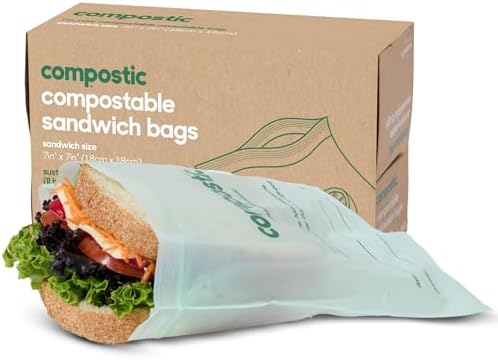
- COMPOSTABLE SANDWICH BAGS — Made entirely from plant-based biopolymers with zero conventional plastic. Designed for scho…
- 100% HOME COMPOSTABLE — When you are done, toss these biodegradable sandwich bags in your home compost bin. They break d…
- RESEALABLE ZIP-SEAL CLOSURE — A secure press-seal lock keeps sandwiches, wraps, and snacks fresh while preventing leaks …
In everyday use, compostable bags perform well for light tasks but can struggle with:
- Heavy items
- Overfilling
- Extended storage
They should be used as a lightweight, eco-conscious alternative, not a direct replacement for heavy-duty plastic bags.
Pros and Cons
Pros
- Reduces plastic waste
- Made from renewable materials
- Breaks down into natural elements
Cons
- Less durable than plastic
- Requires proper composting conditions
- Limited lifespan
Compostable vs Reusable Bags
Reusable bags often outperform compostable bags in durability and long-term value.
However:
- Compostable = convenient, single-use alternative
- Reusable = long-term, more durable solution
The best option depends on your needs.
Alternatives to Consider


If you want better performance, consider:
- Reusable silicone food storage bags
- Thicker compostable brands
- Hybrid eco-friendly storage options
These can offer better durability while still reducing environmental impact.
Common Mistakes to Avoid
- Assuming all compostable bags break down at home
- Overloading the bags
- Storing them too long before use
- Expecting plastic-level strength
Understanding these limitations helps you get better results.
Final Verdict
So, are compostable bags worth it?
They are a good option if you’re trying to reduce plastic waste and understand their limitations.
For light, everyday use, they work well. For heavy-duty tasks, reusable alternatives are often the better choice.
Should You Use Compostable Bags?
If your goal is sustainability and convenience, compostable bags are worth trying.
Just use them in the right situations—and don’t expect them to replace plastic entirely.
